
Luxury Real Estate Market Trends: Key Insights for Investors
Published on
March 21, 2026
Interested in growing wealth through investing in rental homes? Join the Priority Access List today.
The high-end property sector continues to evolve as wealth patterns and lifestyle priorities reshape buyer behavior. For investors, understanding luxury real estate market trends is key to recognizing where demand is growing and how the luxury segment differs from the broader housing market. Recent data supports this momentum. The 2026 Luxury Outlook Report by Sotheby’s International Realty indicates that the luxury real estate sector has remained strong in 2025 and will continue in 2026. In this article, we’ll explore the most important luxury real estate market trends shaping the market today.
Key Takeaways
- The 2026 luxury real estate market trend is lifestyle-driven, with buyers prioritizing privacy, wellness, and smart-home features.
- Unique and scarce properties have a greater long-term value in the luxury sector.
- Technology, sustainability, smart luxury, and branded residences are shaping future luxury market demand.
1. All-Cash Transactions Are Dominating the Luxury Market
One of the most prominent market trends in global luxury real estate market today is the all-cash transactions purchases. Wealthy buyers often have the liquidity to avoid financing altogether, allowing them to move quickly on high-value properties and bypass the impact of mortgage rate fluctuations. For sellers, cash offers are also attractive because they typically close faster and involve fewer contingencies.
This is supported by data, indicating that the luxury real estate sector is expected to reach a value of more than $338 billion in 2030, with the rich and the affluent in the world continuing to rely on the cash option as a means of purchasing properties.
2. Smart Luxury Homes and Advanced Home Technology
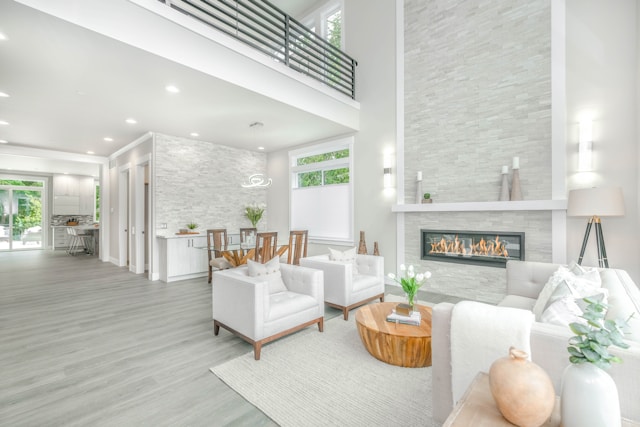
Technology is reshaping expectations in the luxury sector, making smart home integration a defining feature of many high-end residential market trends. Today’s deep-pocketed buyers expect properties to include advanced automation systems that enhance convenience, security, and energy efficiency.
Smart homes are now common in the luxury housing market, with features such as biometric door locks, AI assistants, and climate control systems. For investors, homes with advanced technology are desirable as they are likely to be more marketable in the future.
3. “Smaller” Luxury Homes Are Rising in Demand
Another shift in luxury real estate market trends 2025 is the growing popularity of smaller but highly refined homes. Rather than prioritizing sheer size, many affluent buyers are focusing on design quality, functionality, and lifestyle.
Today, the term “quiet luxury” is used to define the movement towards homes that are more about the quality of the design, functionality, and the buyer’s experience, as opposed to the size of the home. According to Pamela Liebman, CEO of The Corcoran Group, the current state of the housing market is moving away from the era of the “mega-mansions” common in the past, with the current market featuring homes with more focus on comfort, features, and quality of life, as opposed to the size.
4. Privacy and Security Are Top Buyer Priorities
Privacy has become one of the defining factors shaping the real estate luxury market. This is because high net-worth individuals are seeking properties that are private and offer controlled access and security. This has been influenced by the increasing concerns and issues associated with digital visibility and personal safety.
As such, gated homes, spacious plots, and homes located in secluded communities have become popular. Luxury homes have also incorporated security features such as biometric devices, artificial intelligence security cameras, and smart security monitoring devices.

5. Homes With Character, History, and Unique Experiences
Christie’s International reported that homes with character, history, and unique experiences have become popular with luxury buyers. This is part of a larger trend towards authenticity in luxury living. Luxury buyers have shown increasing enthusiasm towards homes that offer history and character, rather than new construction homes built with conventional construction methods. For instance, historic homes, heritage homes, and homes with unique architectural styles have become popular because they offer something unique that conventional homes do not offer.
6. Wellness Amenities Are Becoming Must-Have Features
Health and well-being have become central themes in luxury home design. Many affluent buyers now prioritize homes that support physical and mental wellness, making wellness amenities one of the fastest-growing features in luxury real estate.
Properties increasingly include private gyms, spa-style bathrooms, yoga studios, meditation rooms, and indoor-outdoor living spaces designed to promote relaxation. Some high-end homes also integrate advanced air and water purification systems, circadian lighting, and nature-focused design elements.
7. City Living Meets the Great Outdoors
Another emerging trend in luxury housing is the blending of urban convenience with access to nature. High-end home buyers increasingly want properties that allow them to enjoy city life while still being close to green spaces, waterfronts, or outdoor recreation.
Therefore, there is an emergence of large terraces, rooftop gardens, and direct access to parks or waterfront areas in such developments. In addition, there is a trend towards designing homes that allow residents to enjoy more access to natural light and outdoor views, which has resulted in a lifestyle that connects residents to nature as well as urban living.
8. Lifestyle Migration to Resort and Lifestyle Destinations
Luxury buyers are also expanding their geographic preferences, moving beyond traditional financial centers to lifestyle-driven destinations. Resort towns, coastal regions, and mountain communities have become attractive to well-capitalized buyers who value lifestyle as much as investment potential.
Long-term, tangible places that offer a variety of outdoor activities, cultural events, and year-round leisure pursuits are also attracting wealthy individuals who are looking to acquire second-home purchases, retirement homes, or remote work destinations.
9. Sustainable and Eco-Luxury Properties
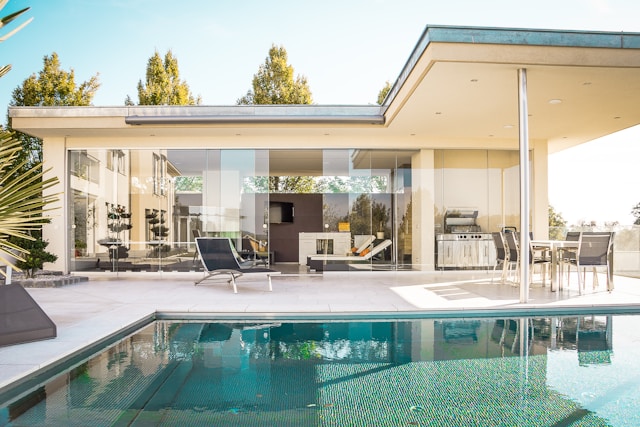
Sustainability is becoming a defining element of modern luxury real estate. High-net-worth buyers are increasingly interested in homes that combine high-end design with environmentally responsible construction.
Eco-luxury homes often feature energy-efficient building materials, solar power systems, advanced insulation, and sustainable landscaping. Many luxury buyers now see sustainability not only as an environmental choice but also as a long-term investment in efficiency and property value.
10. Branded Residences and Luxury Lifestyle Developments
Branded residences involve a partnership between a known brand and a real estate company to develop a primary residence that offers a high-end lifestyle experience to owners.
From concierge services and private clubs to lifestyle experiences, branded residences cater to the interests of buyers who prefer a convenient, exclusive, and luxurious lifestyle. As a result, these developments have become a powerful strategy in marketing for luxury real estate, since brand recognition can significantly increase a property’s prestige and global appeal.
What These Luxury Real Estate Market Trends Mean for Investors
Understanding these shifts can help investors make more informed decisions in a rapidly evolving market. For investors and professionals alike, staying informed about these developments is essential, which is why how real estate agents stay updated on luxury market trends has become a key topic in the industry.
Demand Is Becoming More Lifestyle-Driven
The luxury buyer is more lifestyle-driven than ever. Instead of focusing solely on the size and style of the home itself, international buyers are seeking homes that offer unique lifestyle benefits. Whether it’s the opportunity to connect with the outdoors, the luxury of a resort lifestyle, or the opportunity to engage with the arts and culture scene, the luxury buyer is seeking homes that offer unique lifestyle benefits.
Scarcity Drives Long-Term Value
The concept of scarcity is playing an important role in the luxury market. For this reason, luxury properties with unique qualities such as great location, unique architecture, and unique design are more likely to command long-term demand.
Technology and Wellness Will Define Future Luxury
The future of luxury is all about technology and wellness. With the increasing use of technology in all aspects of our lives, the luxury home with the latest technology and the highest level of security are the types of properties that are commanding the highest international demand.
The Bottom Line
The evolving landscape of luxury real estate market trends shows that today’s high-end home sector is being shaped by more than just price and prestige. Lifestyle preferences, technological innovation, sustainability, and unique property experiences are becoming central drivers of demand. Buyers are prioritizing privacy, wellness, authenticity, and locations that offer both convenience and meaningful lifestyle benefits.
For investors, these trends highlight the importance of looking beyond traditional metrics such as property size or location alone. Homes that combine distinctive character, advanced technology, strong privacy features, and lifestyle appeal are increasingly positioned to maintain long-term value in the luxury market.
Frequently Asked Questions
What is luxury in real estate?
Luxury real estate generally means properties that are in the high-end category, with premium location, superior design, exclusive amenities, and unique features that separate these properties from the rest of the housing market.
What are the most important luxury real estate market trends today?
Some of the important trends in the market include the increase in all-cash deals, the use of smart home technology, the focus on health and wellness, the use of green technology, the interest in unique homes, and the interest in lifestyle destinations.
Which global cities offer the highest rental yields for luxury properties in 2026?
Traditional gateway cities with strong tourism, international business activity, and limited luxury housing supply such as Dubai, Miami, and certain Southeast Asian markets are often noted for relatively high rental yields in the luxury segment.
How do multigenerational living trends impact the resale value of luxury estates?
Luxury homes designed with multiple living spaces, guest houses, or flexible layouts can appeal to multigenerational buyers, which may increase demand and help maintain stronger resale value.
Are Green Certifications significantly affecting property valuations in the ultra-luxury segment?
In many markets, eco-certifications and sustainable building standards are becoming more influential, as environmentally conscious buyers view energy efficiency and sustainable design as part of modern luxury.
What role does AI play in property management and valuation for high-end real estate investors today?
Artificial Intelligence is being utilized to analyze market trends, predict property prices, optimize rental pricing, and manage smart homes, thus providing investors with precise market data and efficient property management tools.
Disclaimer
This information is educational, and is not an offer to sell or a solicitation of an offer to buy any security which can only be made through official documents such as a private placement memorandum or a prospectus. This information is not a recommendation to buy, hold, or sell an investment or financial product, or take any action. This information is neither individualized nor a research report, and must not serve as the basis for any investment decision. All investments involve risk, including the possible loss of capital. Past performance does not guarantee future results or returns. Neither Concreit nor any of its affiliates provides tax advice or investment recommendations and do not represent in any manner that the outcomes described herein or on the Site will result in any particular investment or tax consequence.Before making decisions with legal, tax, or accounting effects, you should consult appropriate professionals. Information is from sources deemed reliable on the date of publication, but Concreit does not guarantee its accuracy.


