
Real Estate Risk Management Strategies Every Investor Should Know
Published on
July 9, 2026
Interested in growing wealth through investing in rental homes? Join the Priority Access List today.
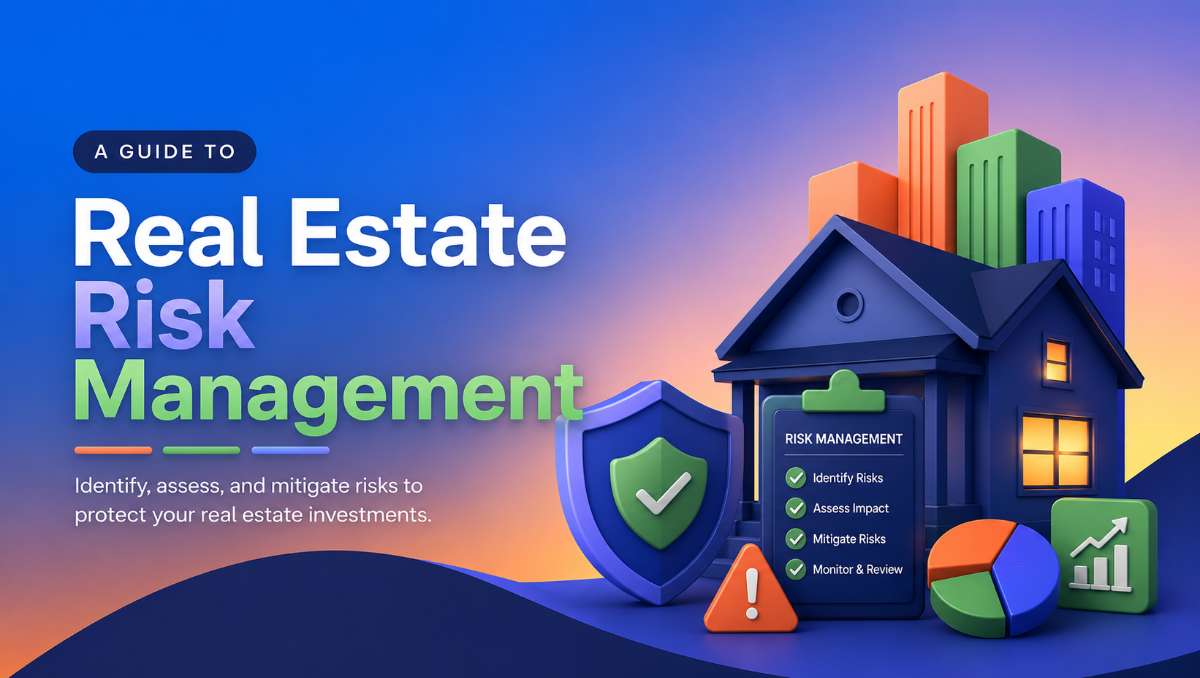
No real estate investor likes the idea of losing money, facing problems with tenants, or having to pay for something he or she was not planning. All these scenarios call for real estate risk management, a strategic and systematic way to avoid possible complications. In this article, you will learn about the main risks associated with investing in real estate and how to mitigate them.
Table of Contents
- What is Real Estate Risk Management?
- Major Types of Real Estate Investment Risks
- Top Real Estate Risk Management Strategies for Investors
- Creating a Comprehensive Real Estate Risk Management Plan
Key Takeaways
- Real estate risk management includes identification, evaluation, and reduction of potential threats to property value and return on investment.
- Key strategies include diversification, conservative leverage, insurance, preventive maintenance, and legal compliance.
- Risk cannot be eliminated but investors who proactively manage it are far more likely to build stable real estate portfolios.
What Is Real Estate Risk Management?
Risk management in real estate is the process of identifying, evaluating, and minimizing risks that could negatively affect a property's value, cash flow, or profitability. It involves making informed decisions before problems occur rather than reacting after losses happen.
There have always been some uncertainties associated with investing in real estate. Property value increases or decreases, and sometimes tenants leave a property unexpectedly. Real estate risk management can help you address these uncertainties and create systems which will help you cope with them. The goal is to take calculated risks that offer reasonable rewards while minimizing unnecessary exposure.

Major Types of Real Estate Investment Risks
Each investment in real estate brings its own set of risks which should be known and considered in advance. Understanding these threats is the foundation of effective risk management real estate practices.
Market Risk
Market risk refers to broad economic forces that can affect property values, rental demand, and investment returns. The major threats here are economic downturns when the economy becomes worse and people lose jobs which leads to the reduction in the demand on residential and commercial properties. During the 2008 financial crisis, home prices in the United States dropped by nearly 20%, demonstrating how quickly market conditions can change.
Financial Risk
This category includes such risks as excessive leverage, high borrowing costs, and others. Overleveraging is one of the most popular risks. When there is too much debt associated with the real estate project, this can lead to serious problems when the values of properties decrease or the rental income is reduced.
Higher borrowing costs represent another risk category. There may be situations when the rates go up, and therefore, the cost of adjustable loans and refinance become much higher. A proper real estate risk assessment helps investors determine whether their finances can withstand unexpected setbacks and changing market conditions.
Property-Specific Risk
Every property carries its own set of unique challenges, which is why property risk management is a critical part of successful investing. Some issues such as structural problems with foundation, roofs, or electrical installations can be extremely problematic and can increase the repair costs as well as reduce property value. Deferred maintenance represents another common problem. When you ignore small problems, they can become much bigger and costly later on.
Tenant and Occupancy Risk
This risk category relates directly to the cash flow of the investment property. Vacancies decrease the income, while mortgage payments, taxes, and maintenance continue. Sometimes tenants may cause property damage. It may consist of excessive wear and tear, negligence, or even deliberate acts that require repairs and lead to extended vacancy periods while the property is being restored.
Regulatory and Legal Risk
Real estate deals are subject to numerous laws and regulations which may change anytime. Zoning changes can significantly impact a property's permitted uses, development potential, and long-term value. Compliance with fair housing laws is equally important. Investors who fail to stay informed may expose themselves to unnecessary legal risks.

Top Real Estate Risk Management Strategies for Investors
Effective risk management for real estate requires a proactive approach. Investors who build systems around risk reduction often enjoy greater stability and stronger long-term returns.
1. Diversification: One of the Most Effective Real Estate Risk Management Strategies
Diversification is one of the oldest investment principles because it works. Investing in different property types can reduce concentration risk. Residential, commercial, industrial, and self-storage properties often behave differently during economic cycles.
Geographical diversification also can help. Local recession may affect one city while the other region will continue developing. Diversification of investment structures also may be considered. Investors can choose between direct ownership, Real Estate Investment Trusts, and private funds.
2. Manage Financial Risk Through Conservative Leverage
Debt can accelerate wealth creation, but too much debt creates vulnerability. Therefore, experienced investors usually choose for the loan-to-value ratio between 65% and 75%. Sometimes lower leverage is preferred as well.
Having cash reserves is also a good risk mitigation tool. Most of the experts recommend keeping at least 3-6 months of operating expenses for each of the properties. The National Association of Realtors has always recommended having liquidity and reserve funds during periods of market volatility.
3. Conduct Thorough Due Diligence Before Purchasing Any Property
Due diligence is one of the best methods of real estate risk management as it helps you understand all the details about a property before making an investment. A property may look profitable on paper but hidden repairs or inflated expense assumptions can quickly change the numbers.
When you start doing the due diligence of the property, it’s important to check it thoroughly for structural problems, roof condition, plumbing, electricity, HVAC system, and other issues that were deferred. You will also need to study the location of the property. Gather all the information about the neighborhood, population growth, employment, crime rates, quality of schools, infrastructure projects, etc.
4. Use Insurance Strategically to Transfer Risk
Insurance is one of the few tools that allows investors to shift certain financial risks to a third party. You cannot guarantee that disasters or lawsuits will not happen. However, with business insurance, you can minimize the risk financially.
The key is to view insurance as part of a broader risk prevention strategy rather than a yearly expense to minimize. Investors should regularly review their policies to ensure coverage limits keep pace with rising property values, construction costs, and rental income.
Here are essential real estate insurance coverage to consider:
5. Reduce Tenant Risk With Strong Screening and Lease Practices
A good screening process will allow you to see what kind of tenant you are going to get. It's important to check things such as income, employment status, credit report, rental references, and background of the applicants.
It is useful to develop a good lease agreement as well. This agreement should explain rent payments, maintenance, security deposits, occupant limits, and what happens if the agreement is broken. Clear expectations from the beginning often prevent misunderstandings and reduce disputes later on.

6. Develop a Preventive Property Maintenance Strategy
Preventive maintenance is one of the most effective ways to protect a real estate investment. Creating an annual maintenance schedule can significantly reduce risks. Routine home inspections of roofing, plumbing, electrical systems, heating and cooling equipment, gutters, and safety devices allow investors to identify problems before they become emergencies. Regular servicing also helps extend the lifespan of major building components, improving the property's long-term financial performance.
7. Protect Yourself From Legal and Compliance Risks
Legislation in the real estate market is constantly changing and ignoring this may result in considerable financial losses. It is important to have good contacts with lawyers, accountants, and other real estate professionals who can advise you about changes in real estate legislation. This point is especially important in highly regulated real estate markets.
It is also important to document everything. You should use professionally prepared lease agreements, keep the records, and document everything which relates to repairs, correspondence, and property inspections.
8. Incorporate Technology Into Real Estate Risk Management
Technology has transformed modern property investing. With the help of special software and Artificial Intelligence, you will be able to monitor maintenance requests, leases, rent collection, and financial records. Special real estate technology tools can also create reports showing possible warning signs of increasing vacancies and late rent payments.
However, technology may also introduce new risks. You will have to pay attention to cybersecurity threats which are becoming more and more relevant to property management. In order to minimize the risks, you will have to:
- Use strong passwords
- Enable multi-factor authentication
- Regularly update software
- Encrypt sensitive tenant information
- Train staff on cybersecurity measures
Creating a Comprehensive Real Estate Risk Management Plan
Risk management in real estate industry has evolved significantly over the past decade. Investors who follow a structured framework are often better positioned to navigate market uncertainty.

Step 1: Identify Risks
You should consider all possible risks, not only obvious ones like vacancies and market downturns. At this stage, you will need to think about financial, operational, legal, environmental, and others.
Step 2: Assess Probability and Impact
After the risks are identified, it is necessary to estimate the probability and consequences. Some risks like maintenance costs are rather predictable and manageable. Other risks like natural disasters or economic recessions are less probable but can have great impact.
Many investors use a simple risk management program that ranks threats based on probability and impact. This process helps separate minor concerns from risks that could materially affect cash flow, property values, or the long-term viability of an investment.
Step 3: Prioritize Risks
Not every risk deserves the same attention. High-probability and high-impact risks must be addressed at first as they are the biggest threat to the performance of the investment. For example, insufficient reserve funds and bad tenant screening practices may cause you more trouble than any low-probability risks.
Step 4: Implement Mitigation Strategies
After prioritizing risks, develop specific action plans to reduce their likelihood or limit their impact. For instance, financial risks may be reduced by keeping reserve funds, using conservative leverage, and obtaining fixed rate financing.
Other ways to control risk include diversifying investment portfolios, buying business insurance, and creating an emergency response plan. The goal is not to eliminate risk entirely but to build multiple layers of protection that strengthen the resilience of the investment.
Step 5: Monitor and Revise Regularly
The risk management plan should not be treated as a static document. Real estate markets change, regulation evolves, insurance cost grows, and properties naturally age. As a result, new risks appear and old risks become irrelevant. Therefore, your risk control plan should be reviewed at least once a year and after any major events.
The Bottom Line
Effective real estate risk management is based on the understanding that risks cannot be avoided but may be properly managed. The most successful investors identify, evaluate, and reduce the possible threats in advance. They diversify portfolios, have sufficient reserve funds, use insurance, and pay attention to legal processes and operational risks.
A disciplined risk management framework creates stability, protects capital, and supports long-term portfolio growth. In real estate investing, preparation often matters just as much as property selection.
Frequently Asked Questions
How do real estate firms manage risk?
Risk management for real estate firms involves creation of systems which will help them to reduce their exposure to possible losses. Such systems involve diversification of portfolios, due diligence, sufficient insurance, and financial control.
What is the second rule of risk management real estate?
The second rule of risk management is protection from downside risk after preservation of capital. This means that you will need to focus on minimizing possible losses before maximizing return.
Who delivers risk-adjusted returns in real estate investment management?
The strongest risk-adjusted returns are typically delivered by investment managers who can effectively balance risk and reward. These real estate professionals do not just look for the highest returns. They focus on steady performance. They carefully manage leverage, diversification, liquidity, and market exposure.
How can investors develop an effective commercial real estate risk management plan?
An effective commercial real estate risk management plan begins with identifying potential threats that could affect a property or portfolio. Investors should then evaluate the likelihood and impact of each risk, prioritize the most significant exposures, and implement strategies to reduce or transfer those risks.
What is CAPEX risk management in real estate?
CAPEX, or capital expenditure, risk management involves planning and budgeting for major property improvements and replacements. This includes items such as roofs, heating and cooling systems, elevators, parking lots, and structural components that require significant investment over time.
What are the four types of risk management?
The four primary approaches to risk management are risk avoidance, risk reduction, risk transfer, and risk acceptance.
Disclaimer
This information is educational, and is not an offer to sell or a solicitation of an offer to buy any security which can only be made through official documents such as a private placement memorandum or a prospectus. This information is not a recommendation to buy, hold, or sell an investment or financial product, or take any action. This information is neither individualized nor a research report, and must not serve as the basis for any investment decision. All investments involve risk, including the possible loss of capital. Past performance does not guarantee future results or returns. Neither Concreit nor any of its affiliates provides tax advice or investment recommendations and do not represent in any manner that the outcomes described herein or on the Site will result in any particular investment or tax consequence.Before making decisions with legal, tax, or accounting effects, you should consult appropriate professionals. Information is from sources deemed reliable on the date of publication, but Concreit does not guarantee its accuracy.


